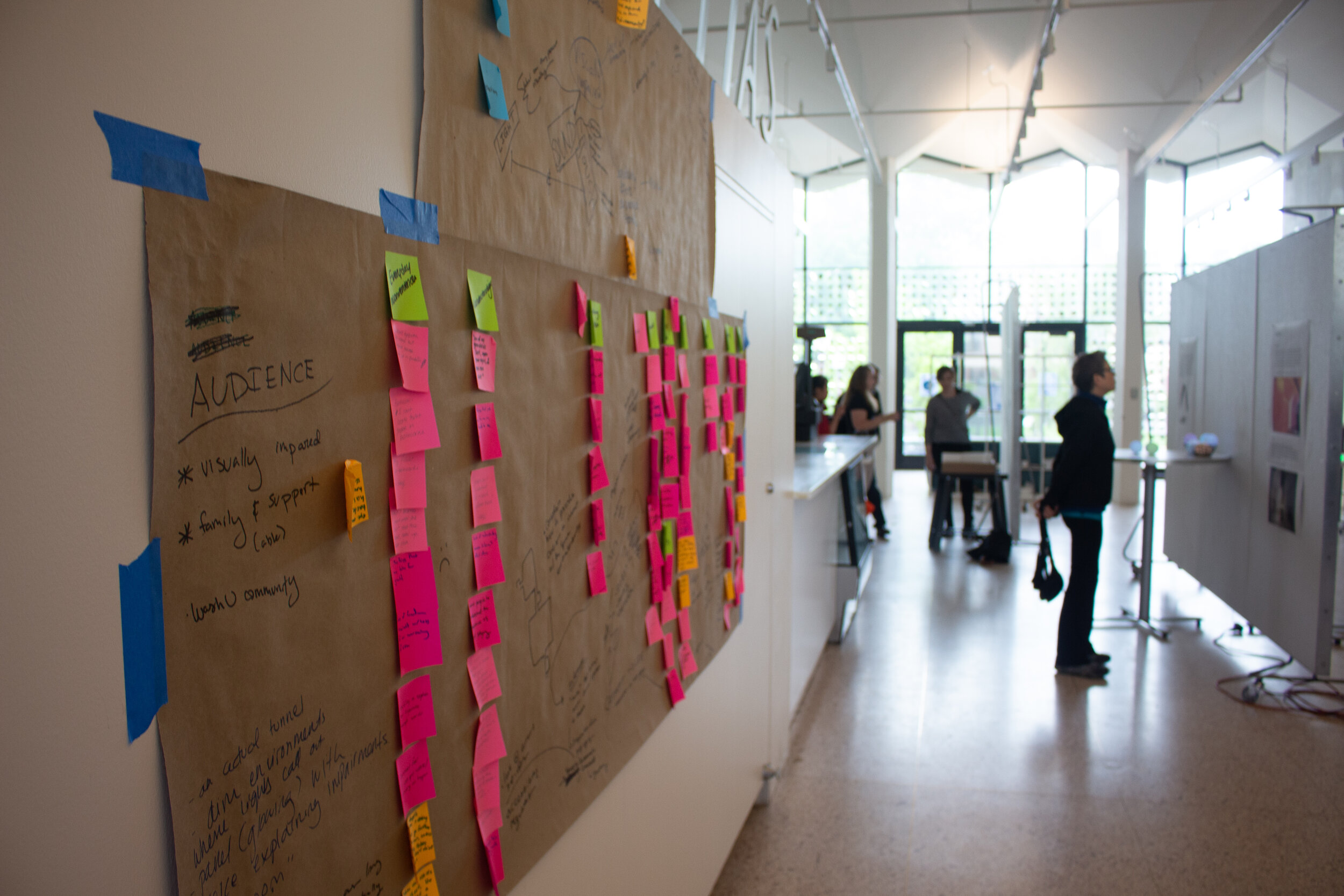
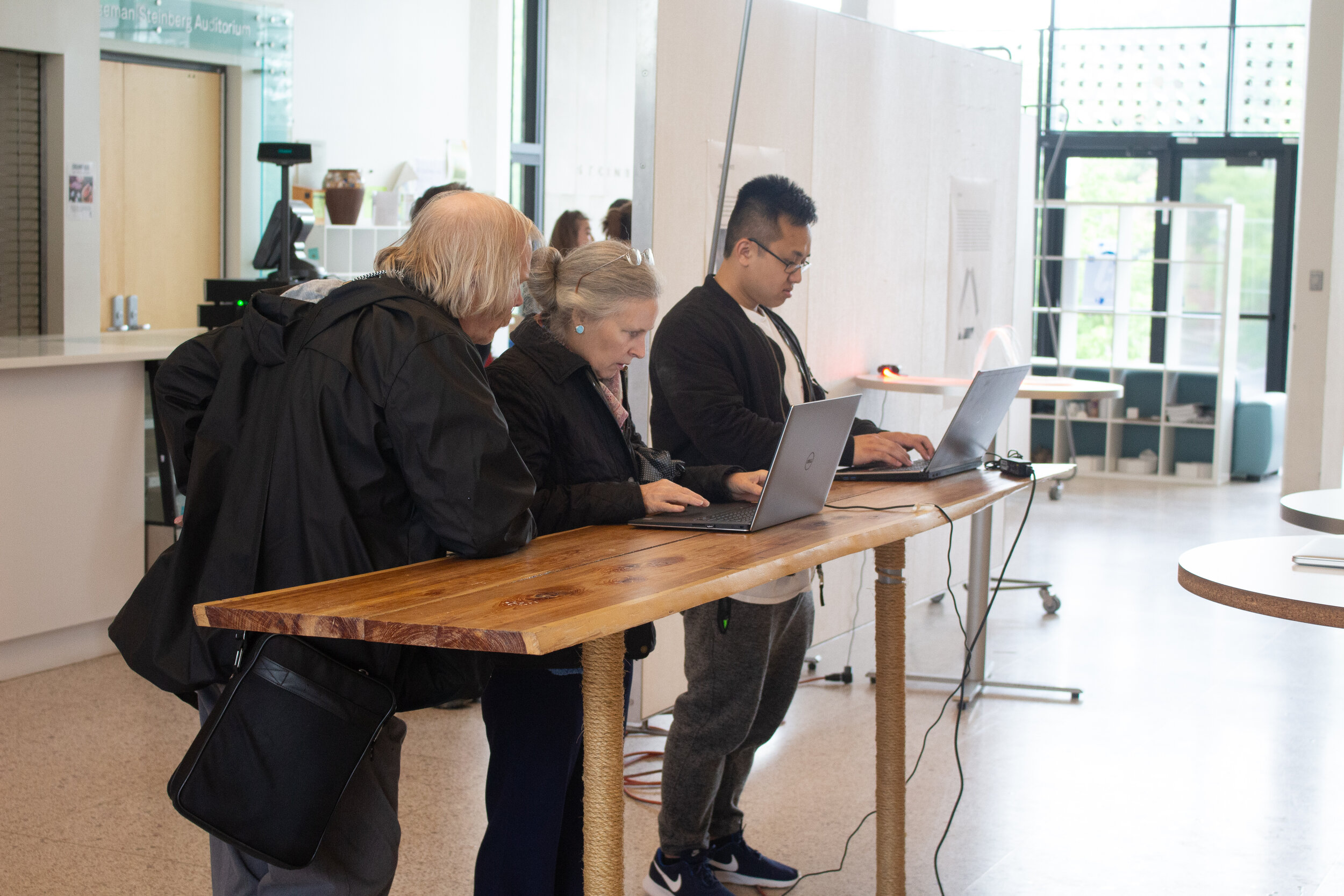
In 2018, Dr. Pearson partnered with Dr. Rajendra Apte and Grace Zajdel to create an art and medicine collective at Washington University in St. Louis. The team included physicians, medical students, artists, architects, engineers, and designers. In their work, the collective gathered narratives of illness from people in the community and transformed them into experiential installations, where visitors were invited to engage with these stories and share their own.
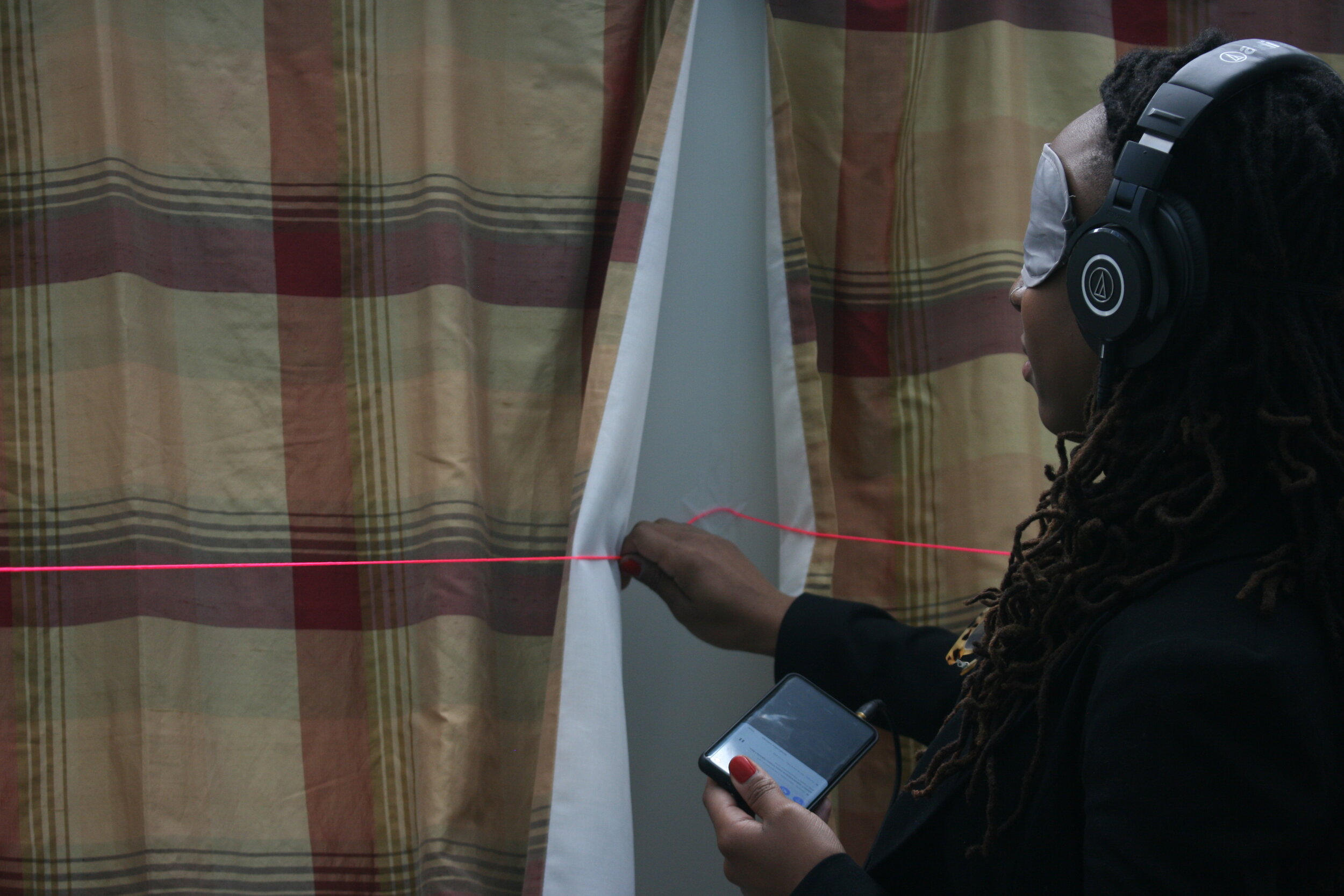
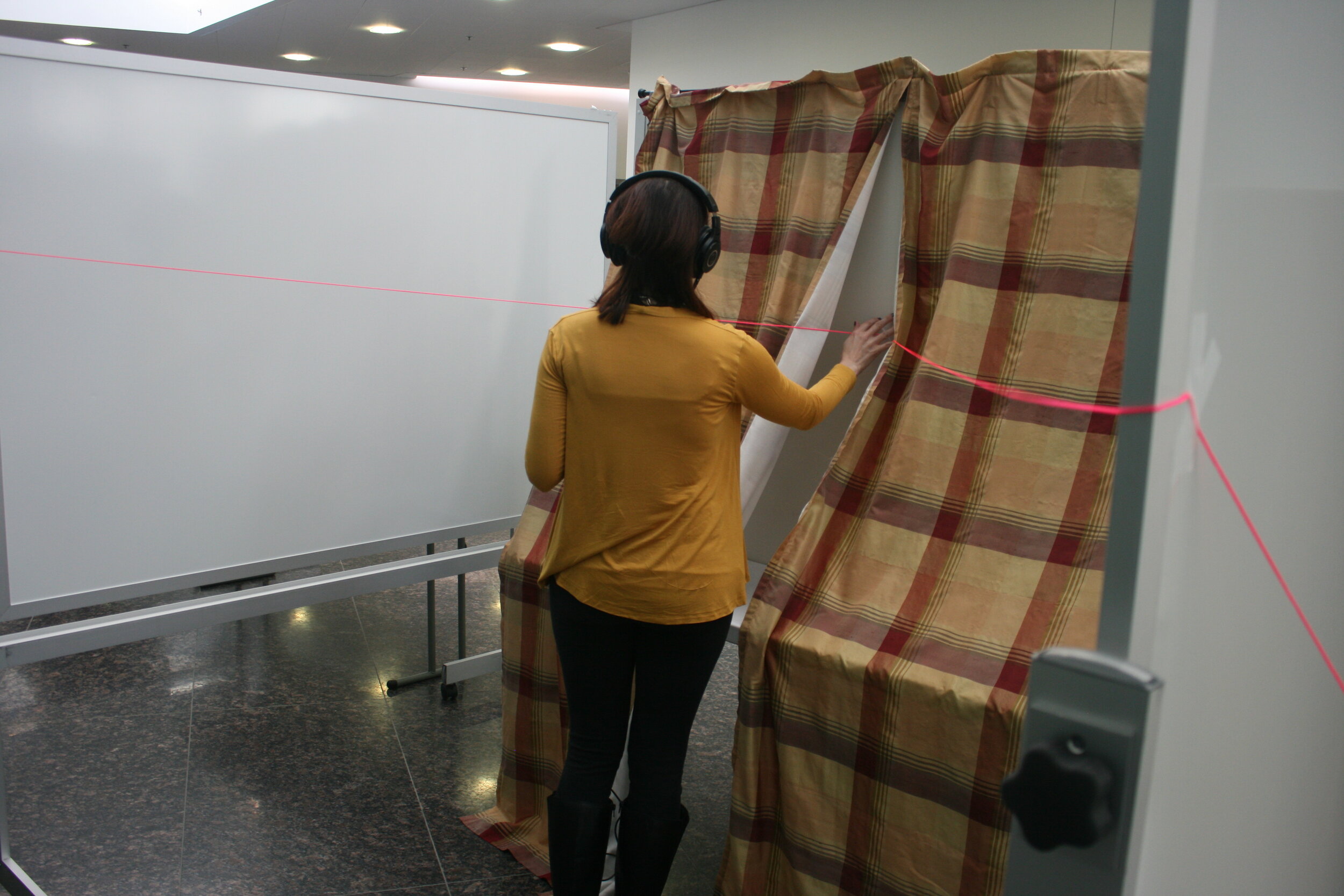
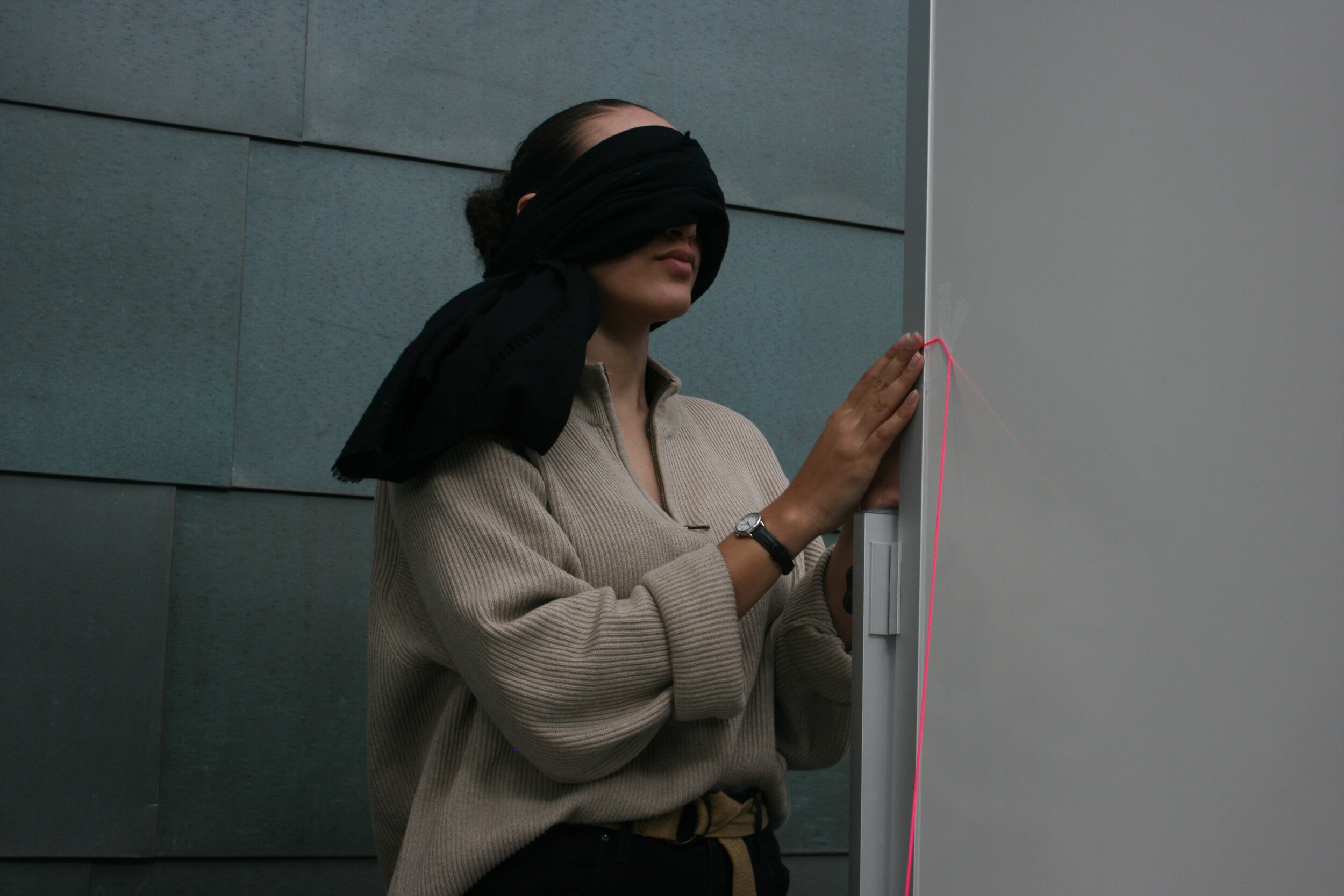
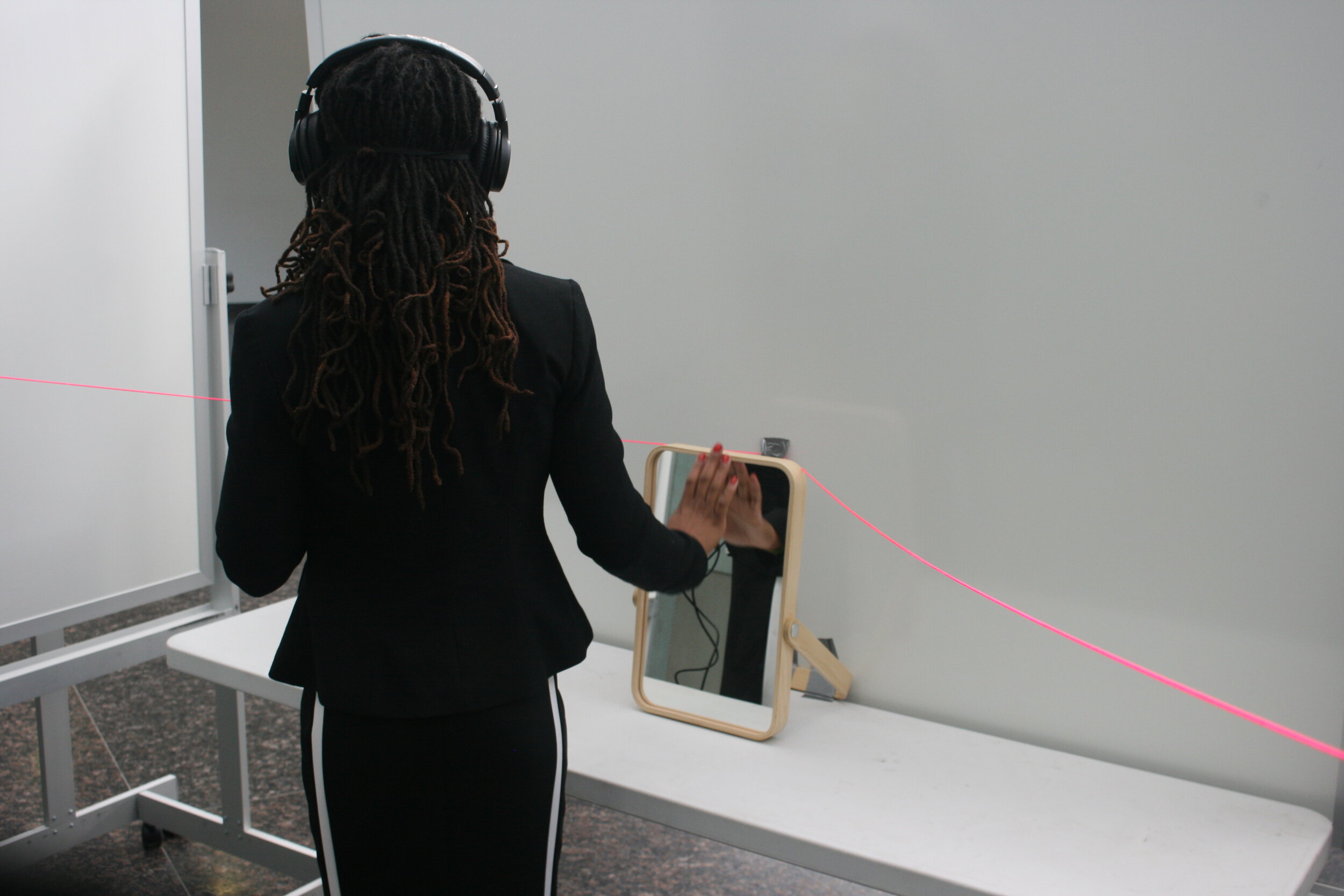
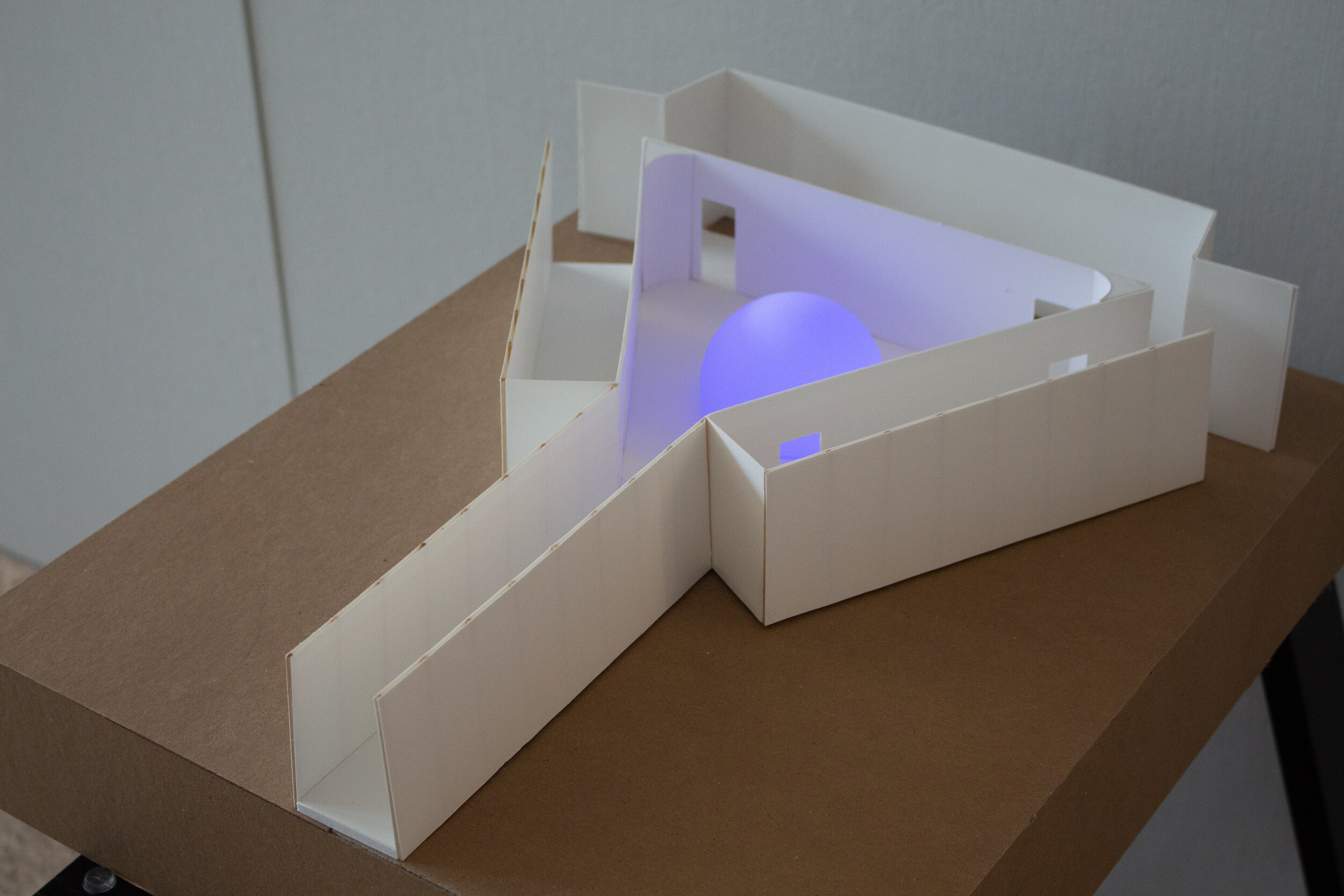
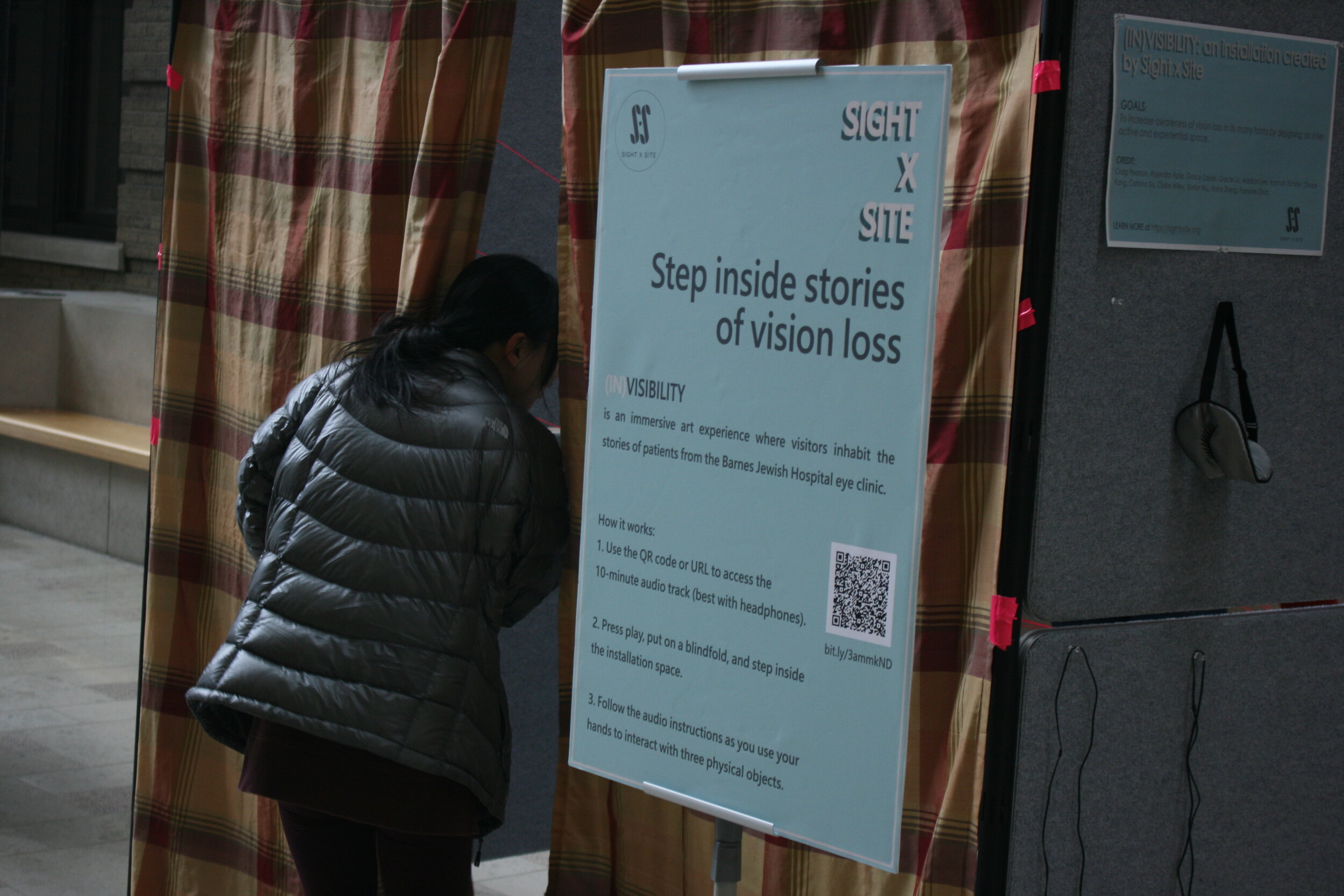
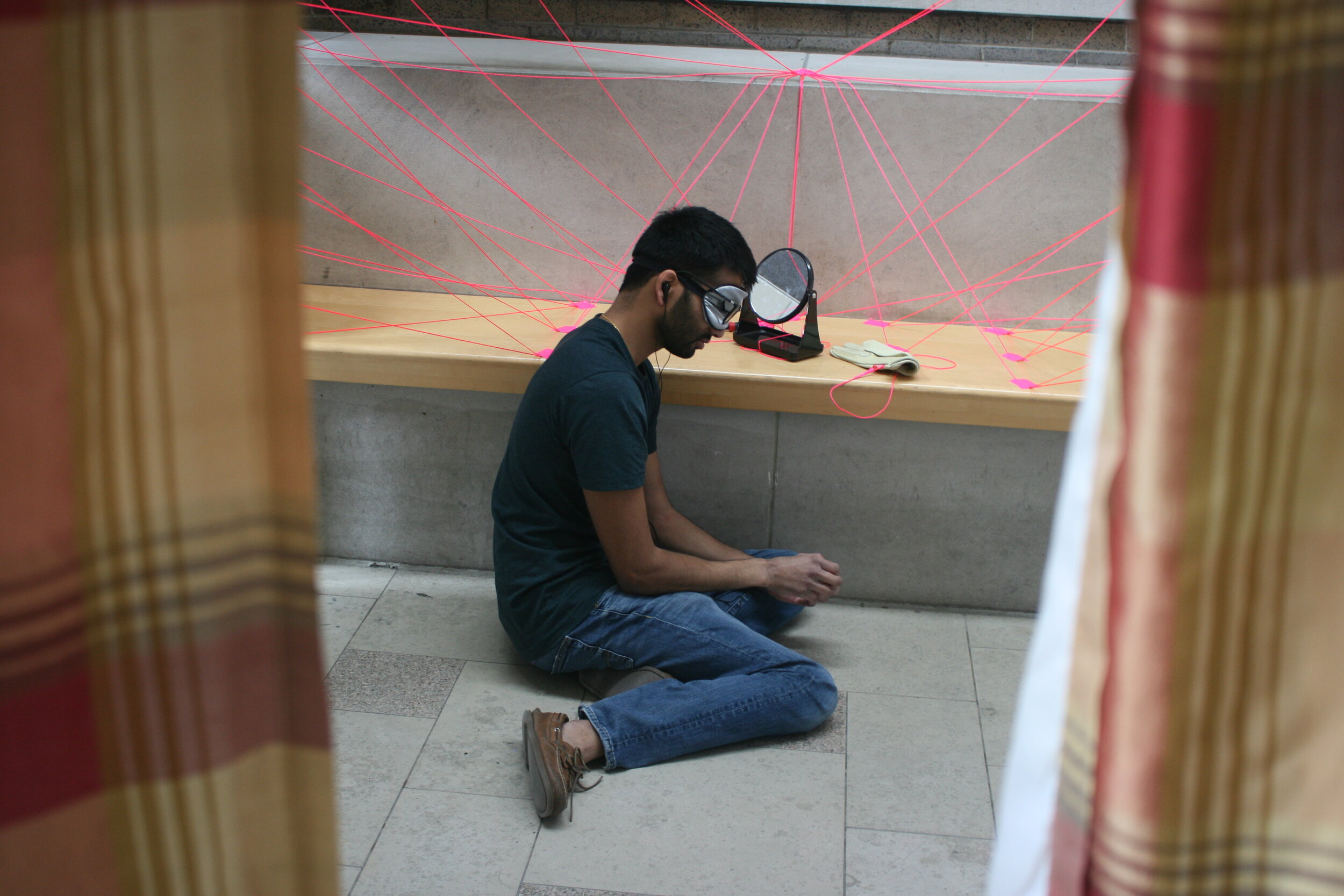
(In)visibility explores how health narratives are constructed and communicated through multisensory installations that place visitors “inside” the experiences of people with vision loss.

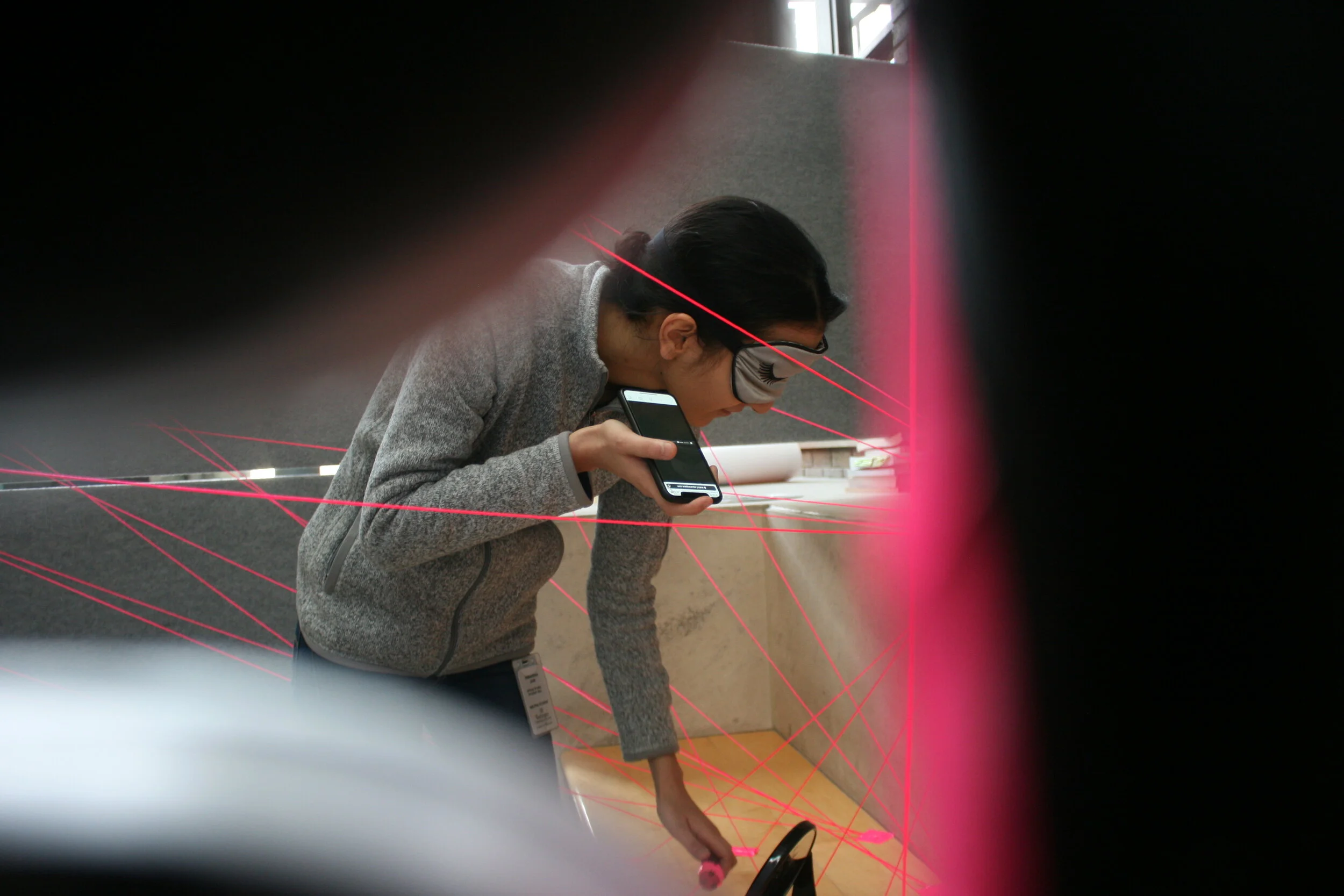


The collective interviewed patients at the Barnes Jewish Hospital eye clinic and identified three core elements of their medical journeys: the sensory experience (loss of vision), the social experience (loss of autonomy and mobility, strained relationships with loved ones and society), and the emotional experience (embracing a new identity as a person with vision loss).
Using language and imagery from their interviews, the team created three fictional characters that visitors follow through these three stages of experience. Diane is a museum curator who works with ancient artifacts and lost her vision suddenly while driving. Roberto is a hunter who suffered a retinal detachment that was repaired with emergency surgery. And Ella is a mother of four who has experienced progressive vision loss over many years.
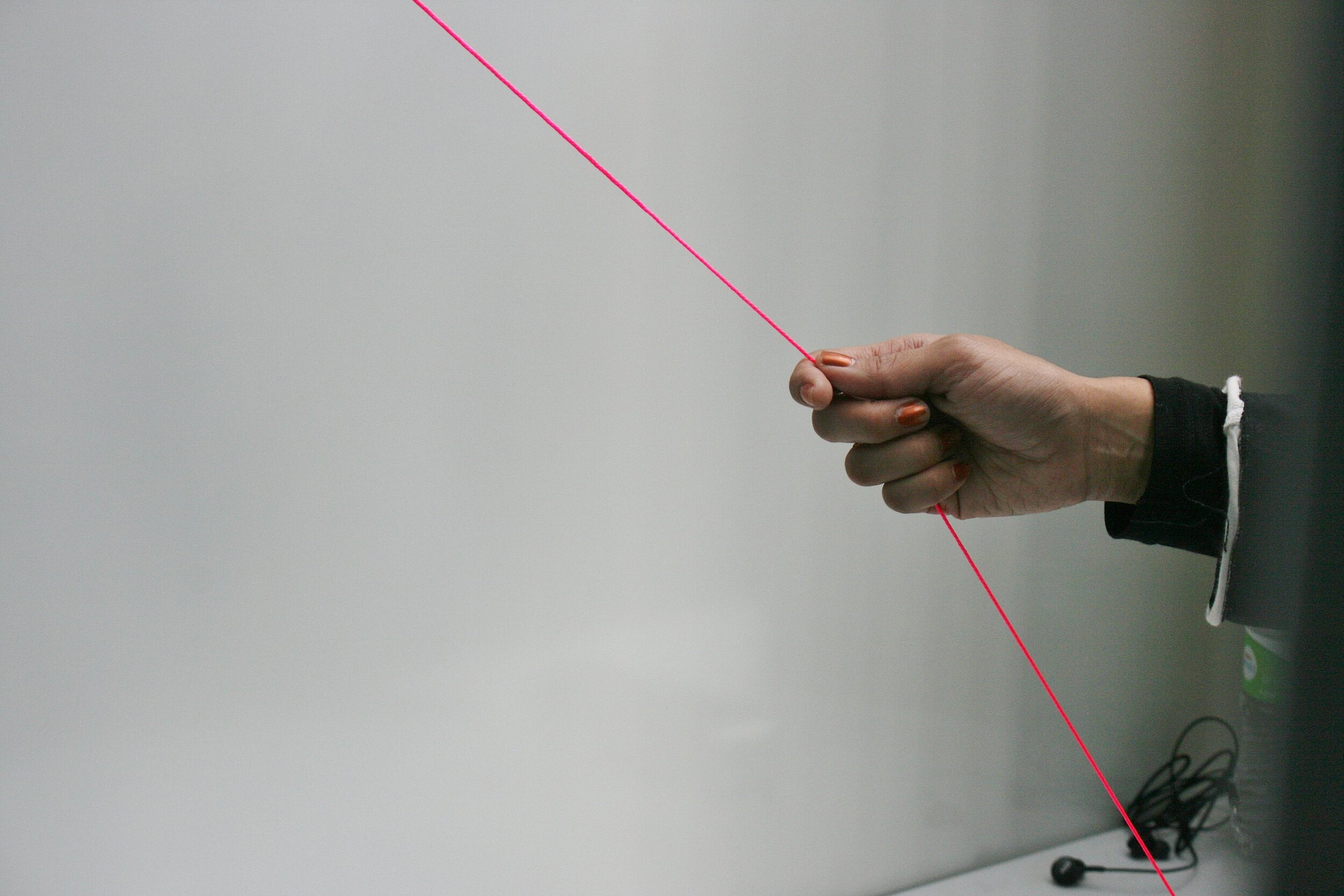
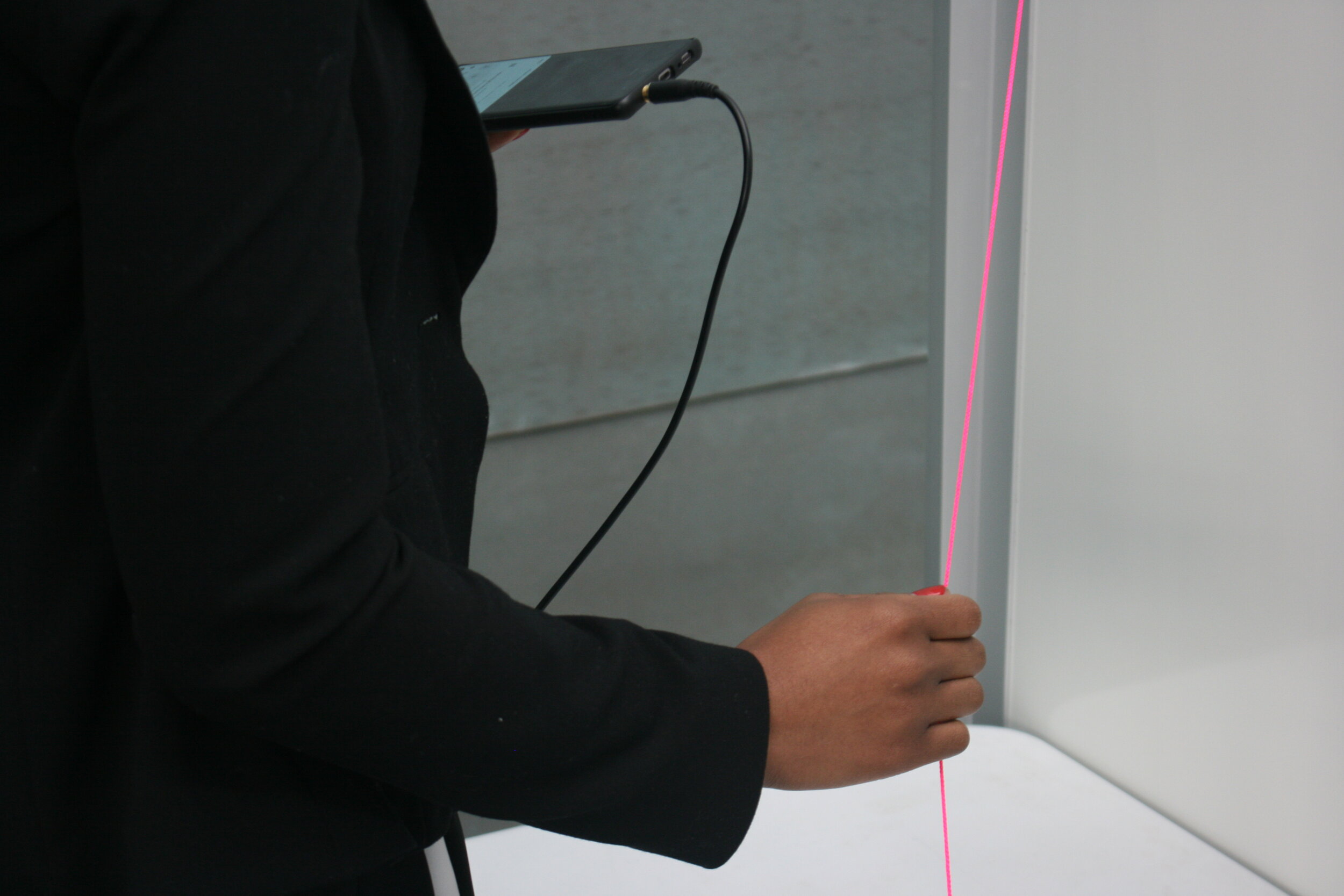
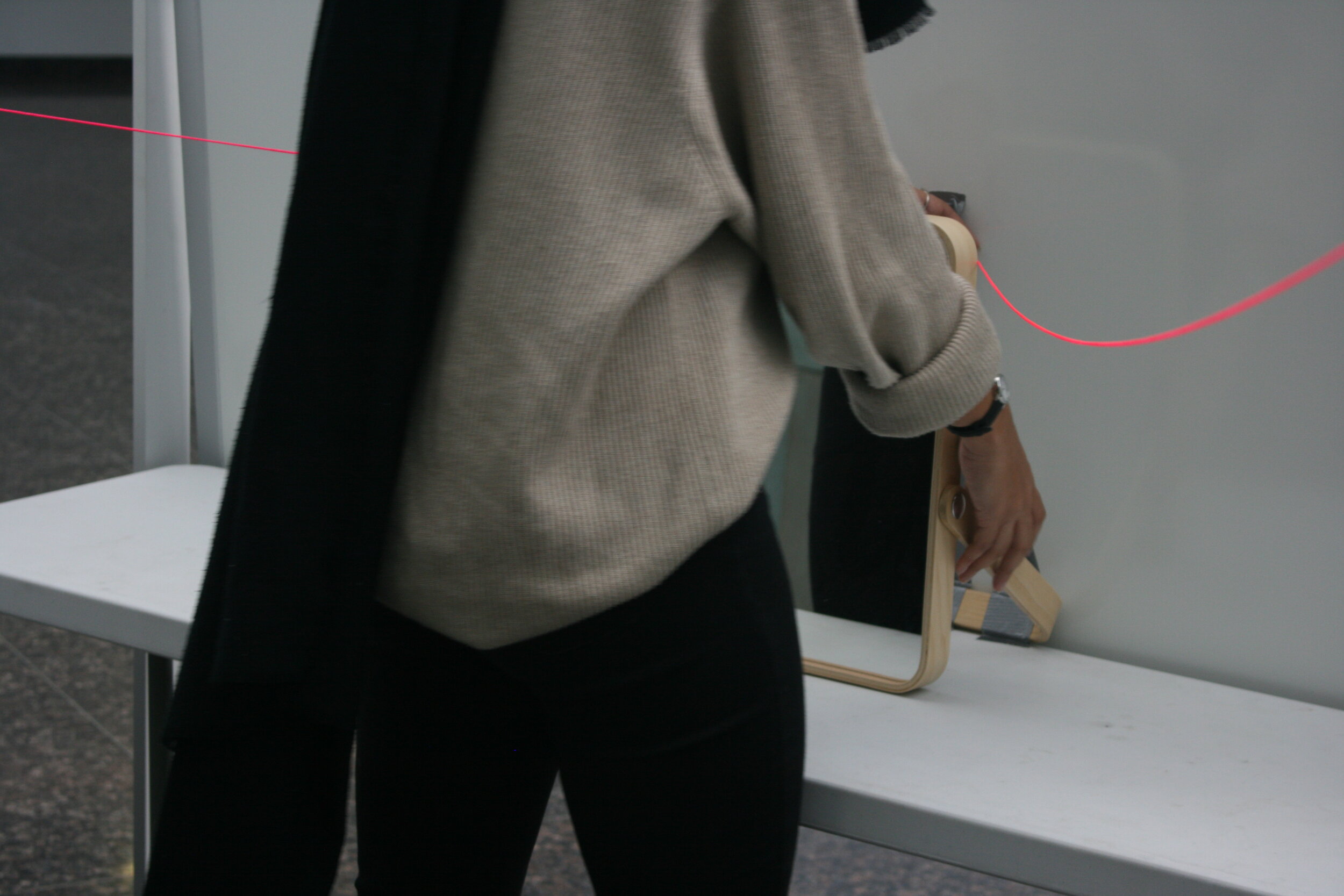
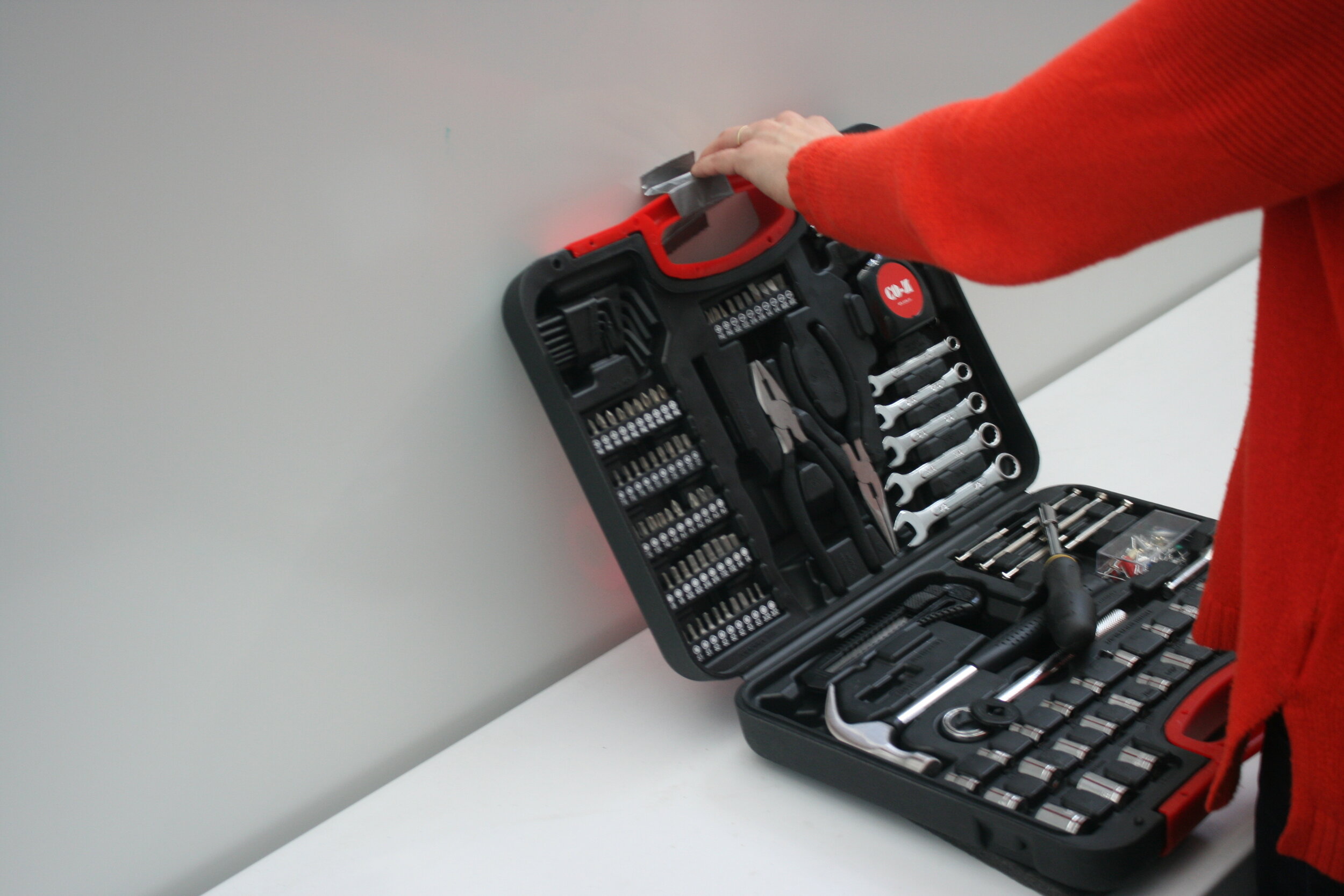
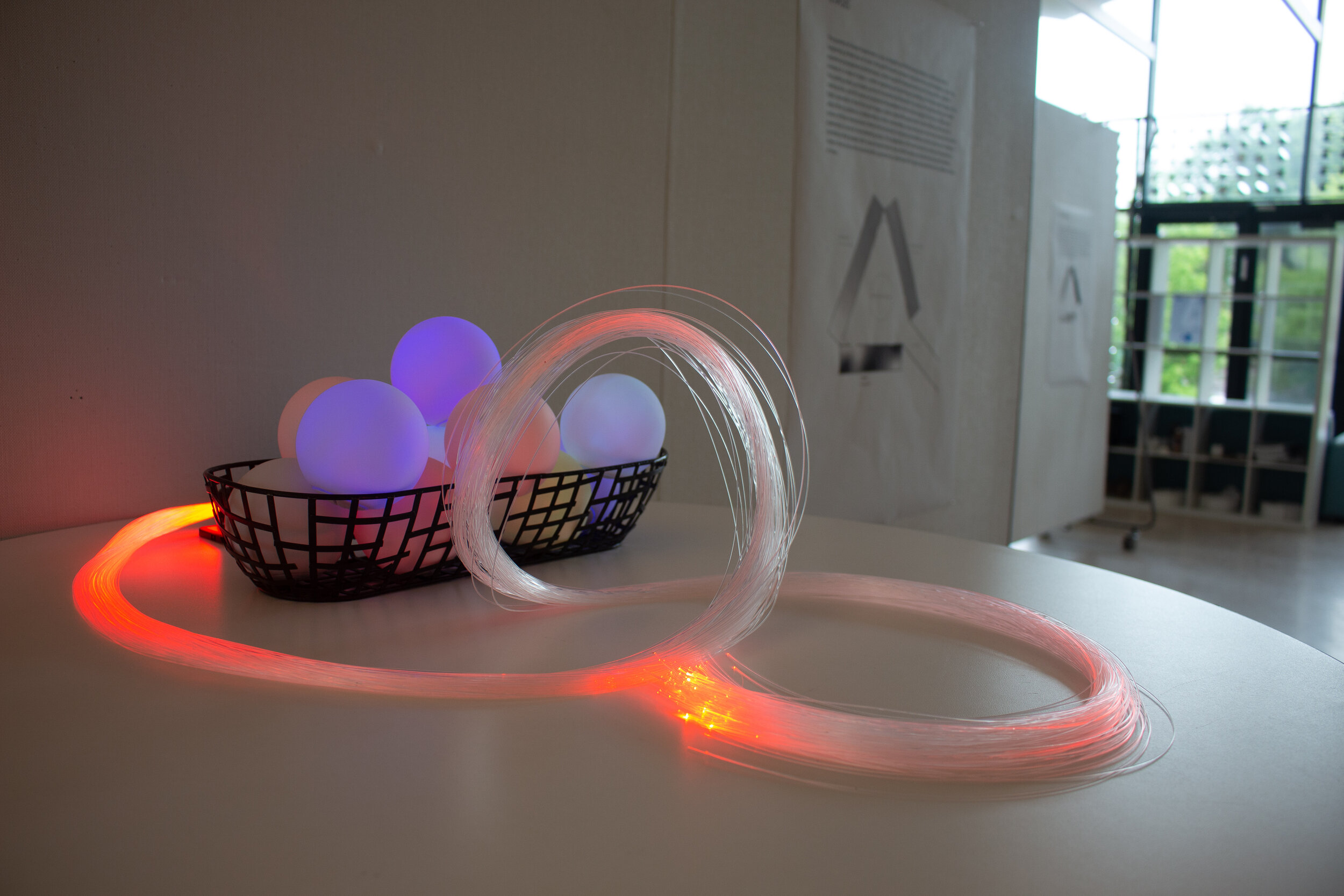
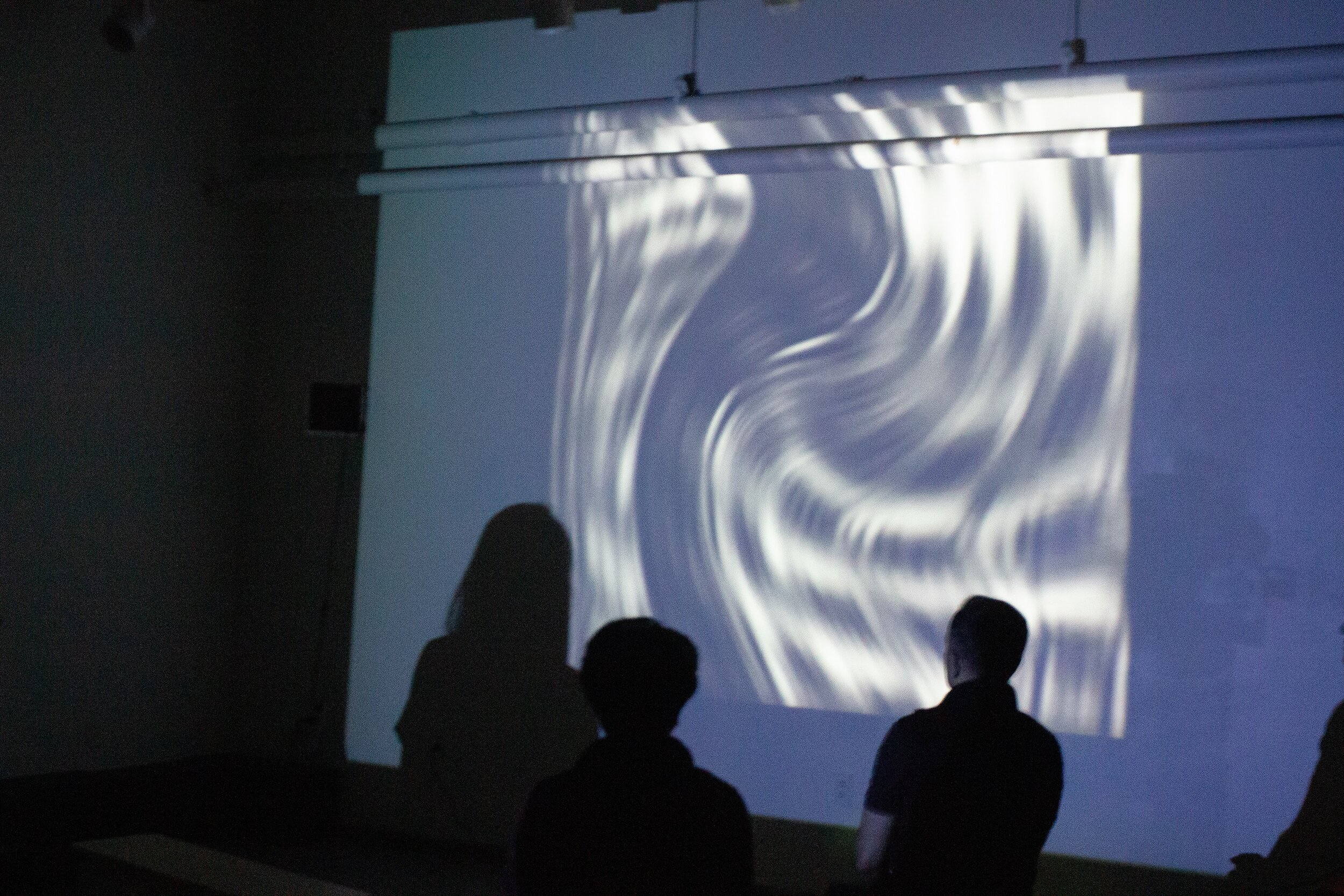
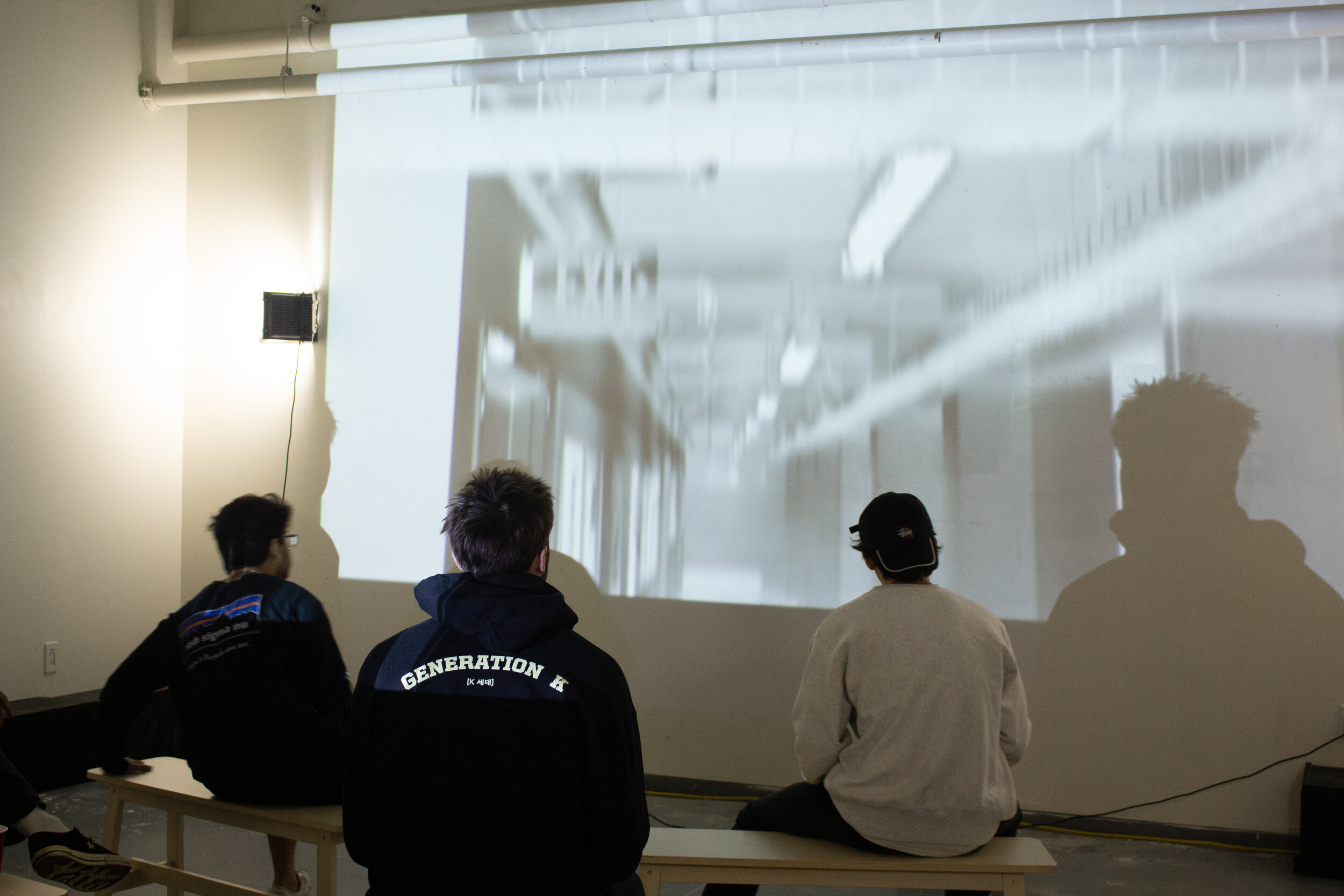
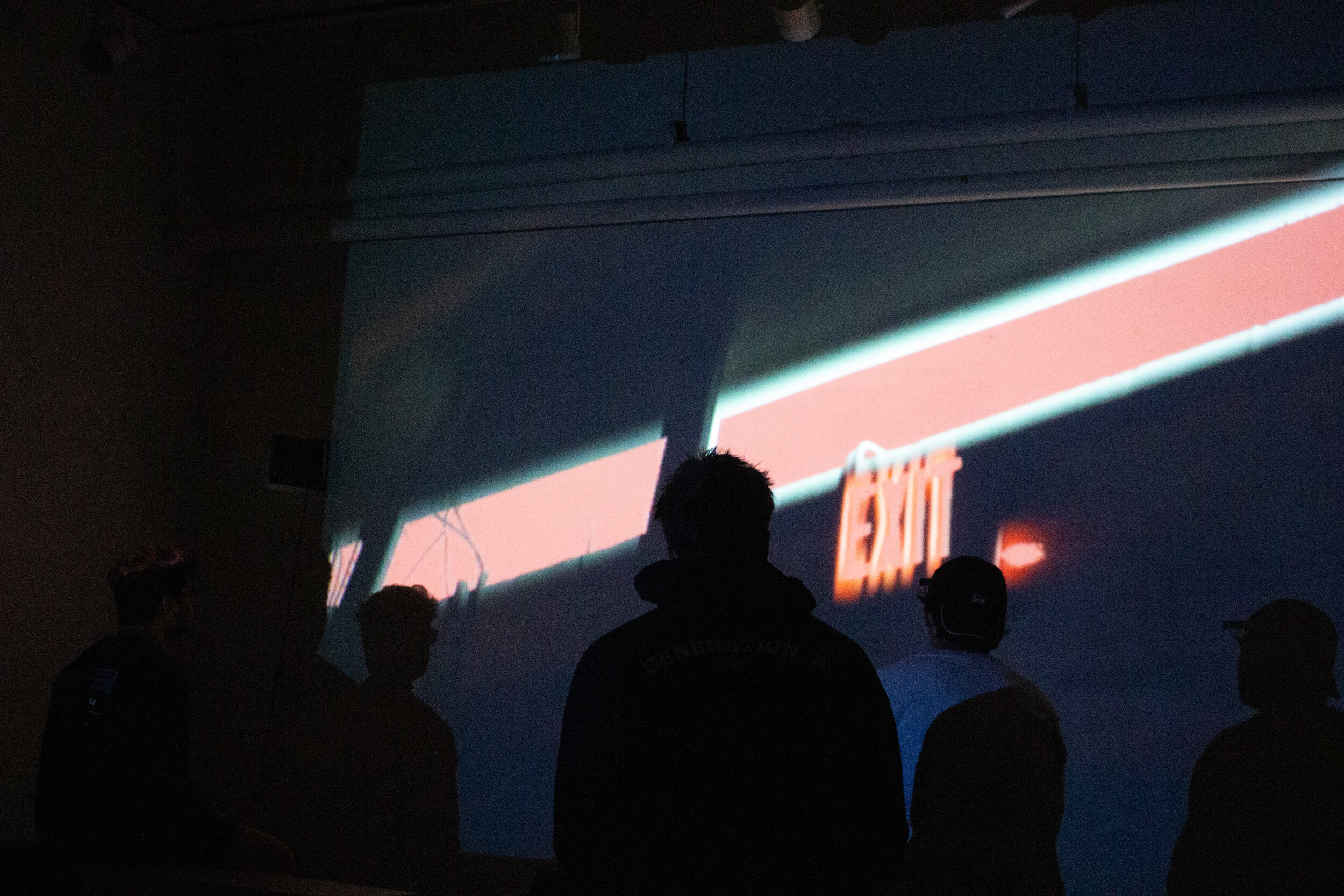
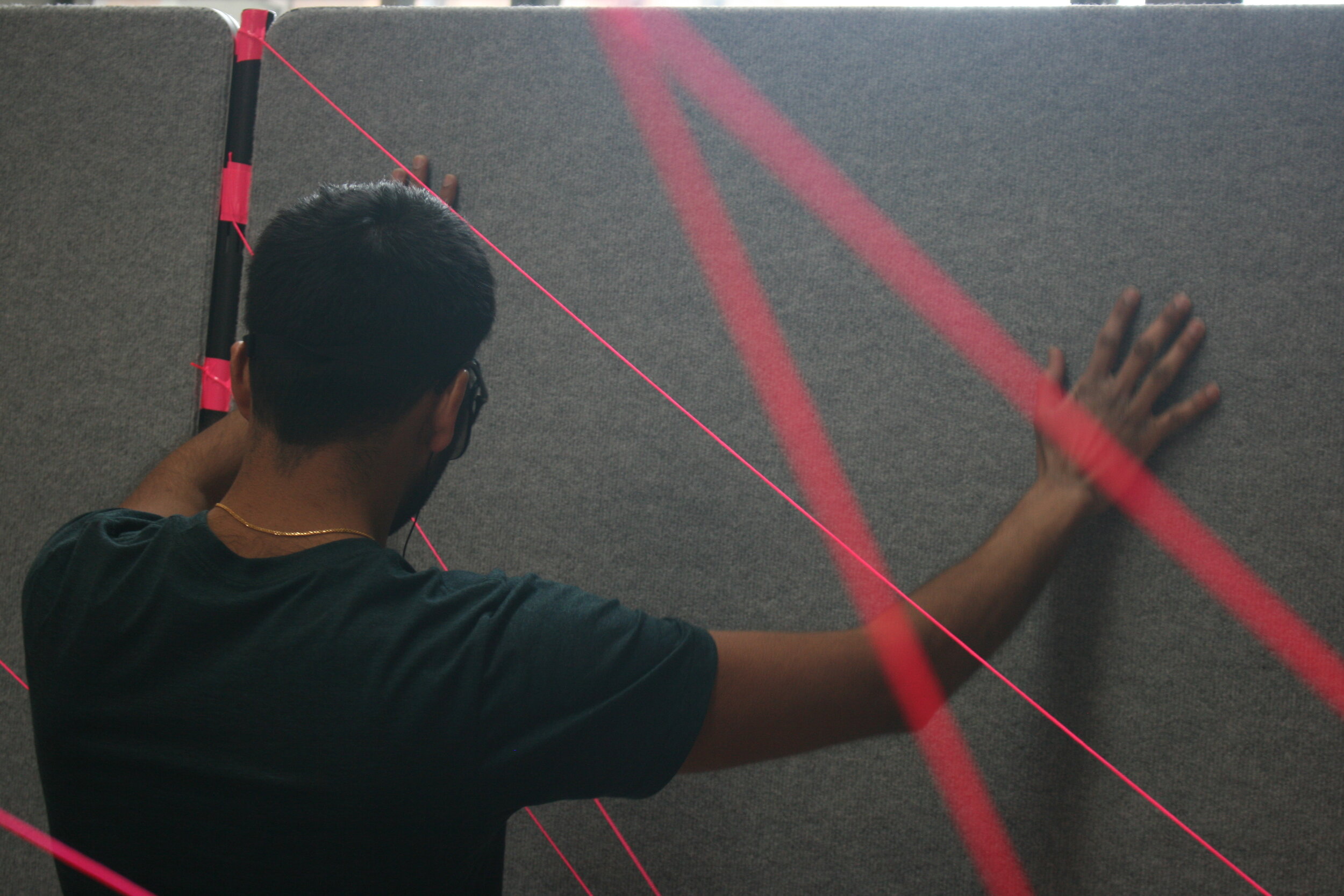
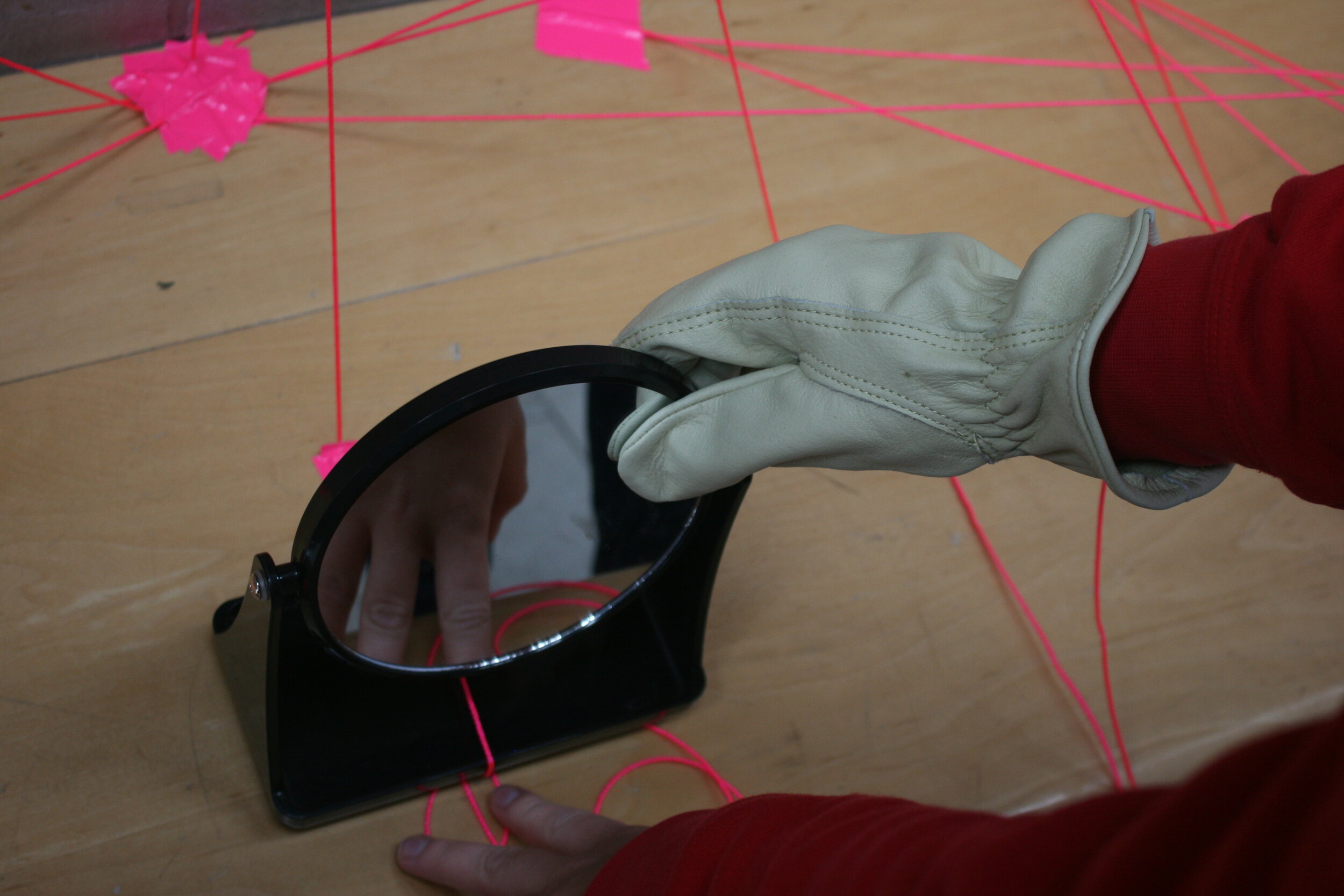
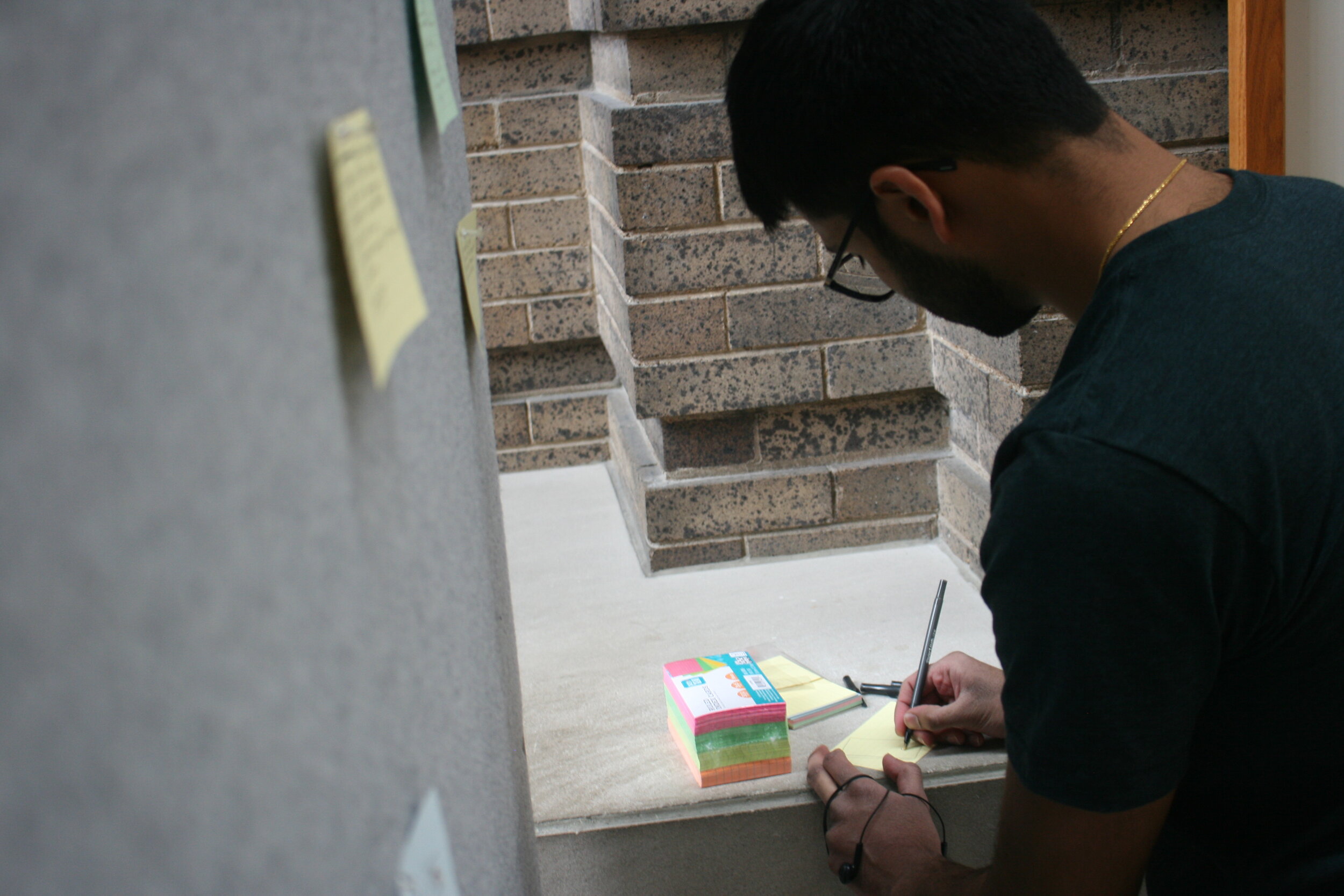
In each stage of the installation, Diane, Roberto, and Ella describe their experiences in recordings voiced by local actors. Alongside these audio narratives, the team modulates physical space by altering light, color, sound quality, and texture. Visitors touch and handle physical objects that appear in the stories, and when they exit the installation, they are invited to write about an object that relates to an illness they have experienced or witnessed. By enabling people to intimately engage with others’ stories and reflect on their own, (In)visibility offers new ways to confront questions of illness, the body, and how we “see” ourselves and others.
Exhibitions and presentations
May 2019: installation at the Sam Fox School of Art and Design, Washington University, St. Louis
June 2019: presentation to design team from PGAV Destinations, St. Louis
August 2019: community feedback session at the Barnes Jewish Hospital eye clinic
October 2019: installation at The Examined Life conference, Carver College of Medicine, Iowa City
January-February 2020: installation in Washington University School of Medicine’s FLTC atrium